The art
Art is the purposeful creation or arrangement of elements—such as color, form, sound or movement—by which a person expresses ideas, emotions or experiences, typically valued for its aesthetic, communicative or evocative power.
Types of art
Visual Arts
The creation of works meant primarily for the eye. Visual artists use materials like paint, clay, metal or digital pixels to craft images or forms that convey beauty, emotion or ideas. Examples include painting, drawing, sculpture, photography and installations.
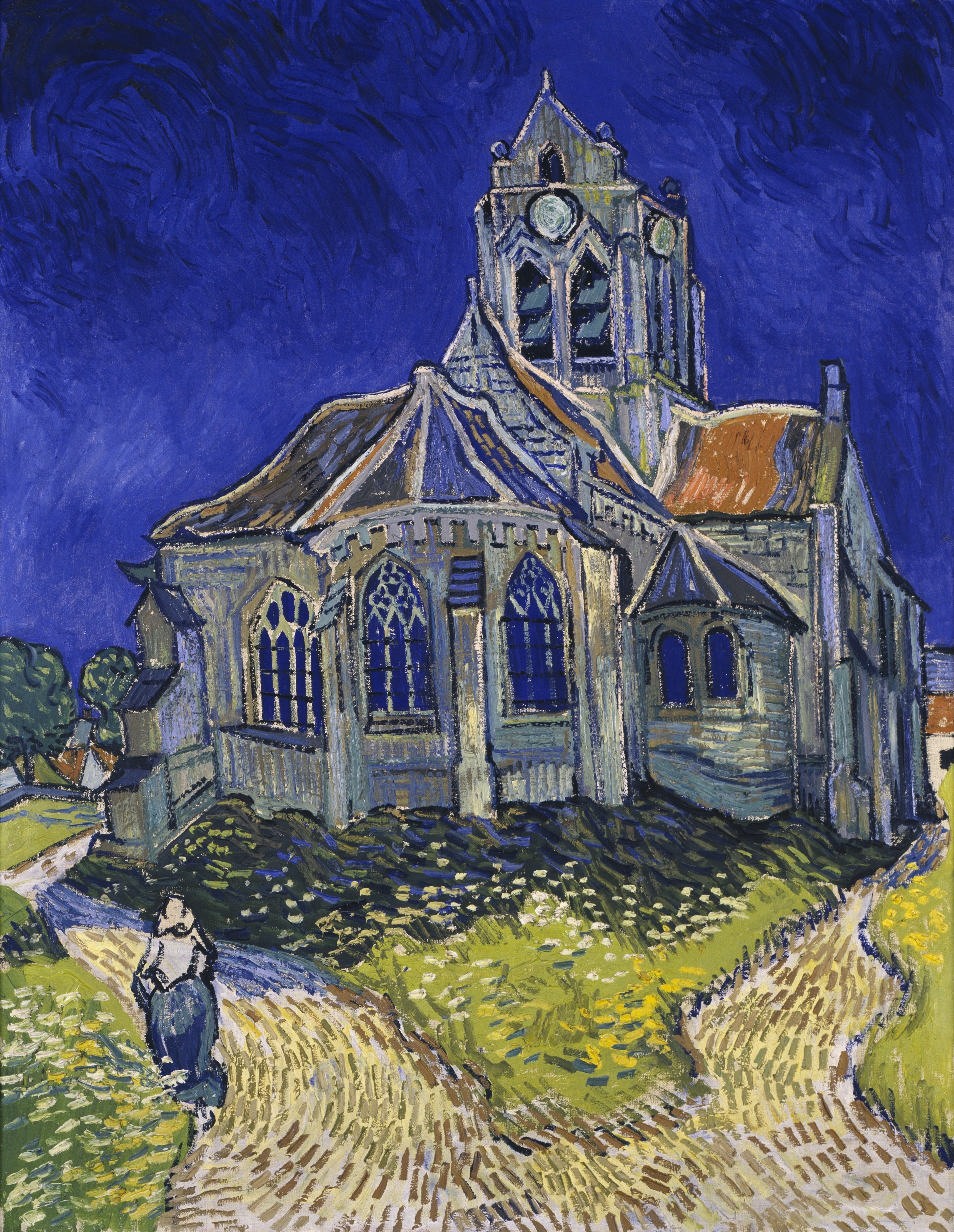
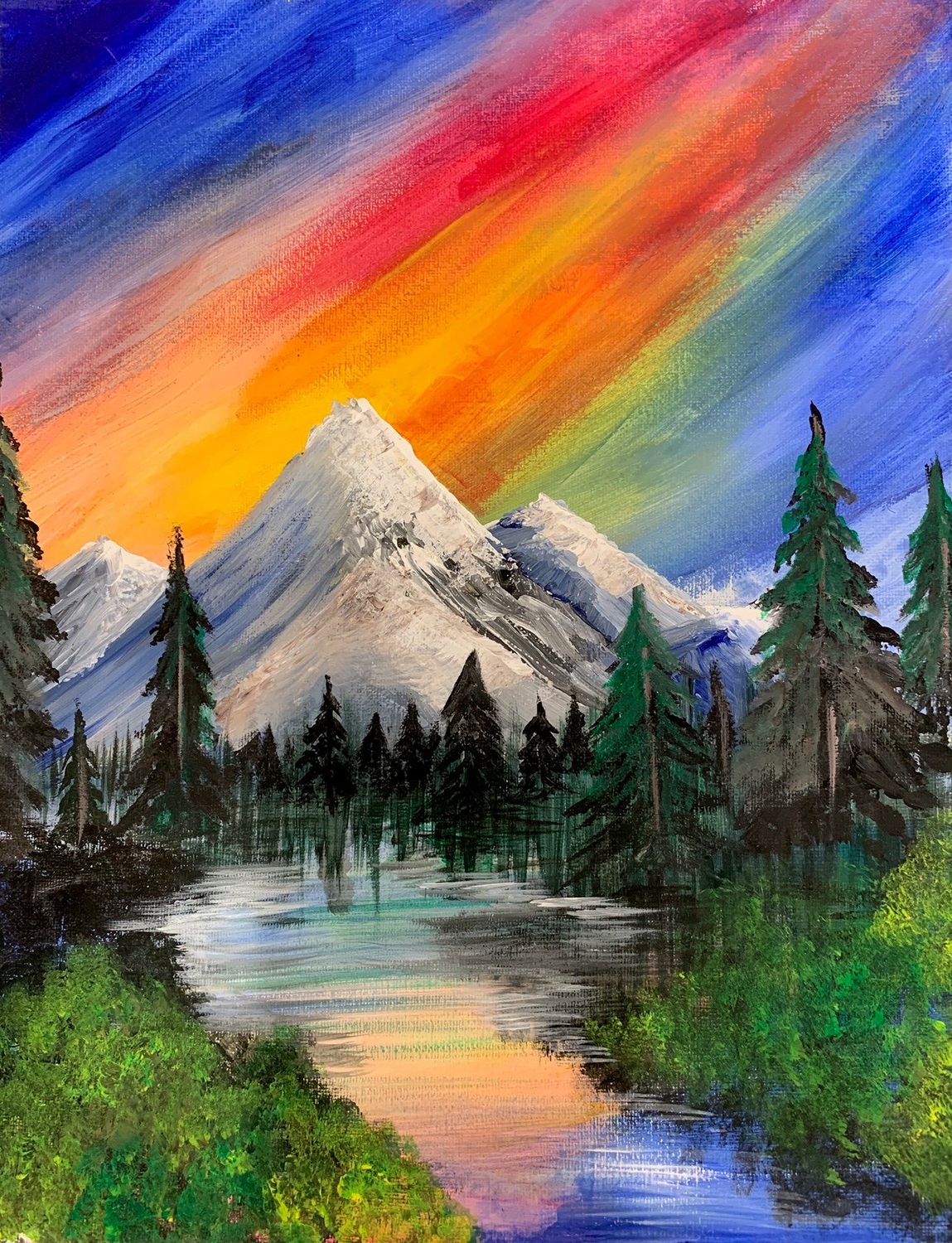
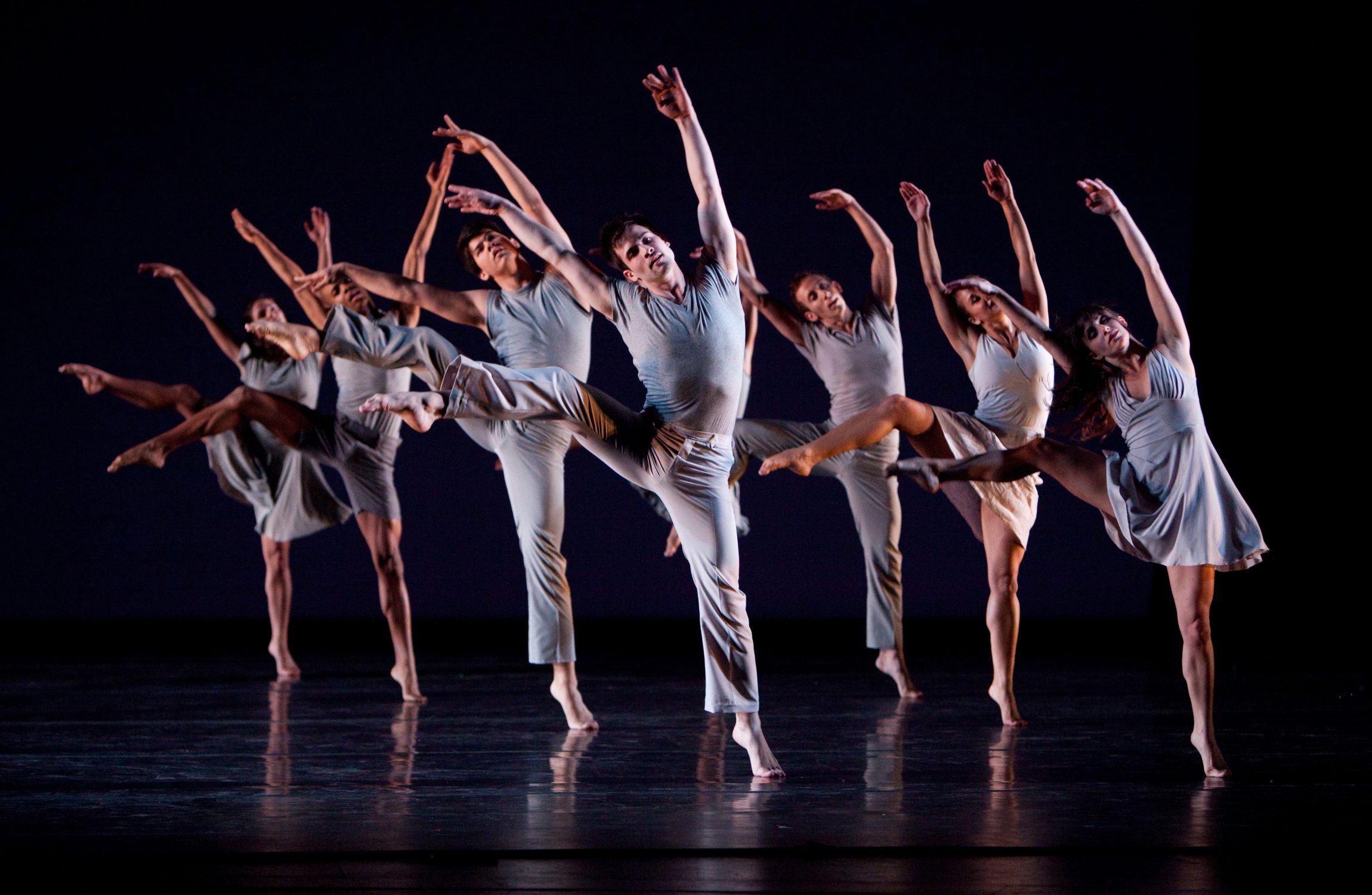
Performing Arts
Ephemeral, live expressions staged in front of an audience. Performers use their bodies, voices or instruments to tell stories, evoke emotions or explore movement. This category covers theater, dance, music performance, opera, musical theatre and performance art.
.jpg)
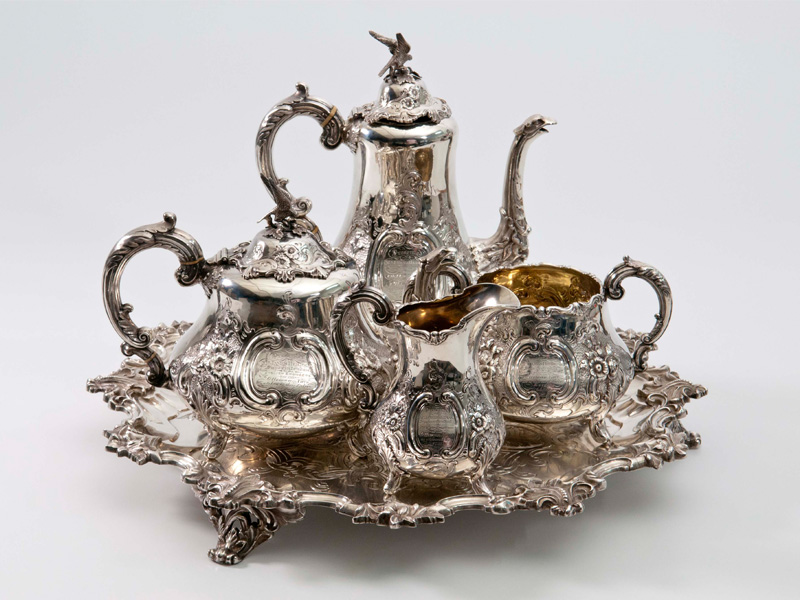
Applied & Decorative Arts
Functional objects designed with an intentional aesthetic. Practitioners blend utility and beauty in everyday items—graphic designers craft visual messages, fashion designers shape garments, ceramists throw pottery, interior designers plan spaces and jewelers forge wearable art.
Culinary Arts
The practice of preparing, cooking and presenting food for both nourishment and sensory enjoyment. Chefs and food artists sculpt flavors and plate compositions, often drawing on techniques from fine dining, molecular gastronomy and artisanal baking.


Techniques of art
Painting Techniques
-
Impasto
Thick application of paint (often oil or acrylic) so that brush or palette-knife marks remain visible, giving texture and a sense of relief. -
Glazing
Building up thin, transparent layers of paint over a dried opaque underpainting. Creates rich depth of color and subtle shifts in tone. Drawing Techniques
-
Hatching & Cross-Hatching
Parallel (hatching) or intersecting (cross-hatching) lines to build value (light/dark) and suggest form. -
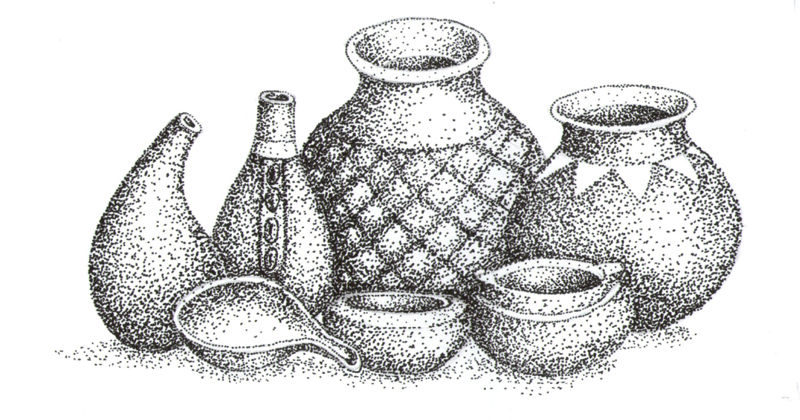
Stippling
Using dots (with pen, pencil or brush) to create gradients and texture; denser dots mean darker tone.
Sculpture & 3D techniques
-
Carving
Subtractive: removing material (wood, stone, ice) to reveal form. -
Modeling
Additive: shaping pliable materials (clay, wax, plaster) to build up a form.

very nice!!!
ResponderBorrari like it
ResponderBorrar👍
ResponderBorrar